

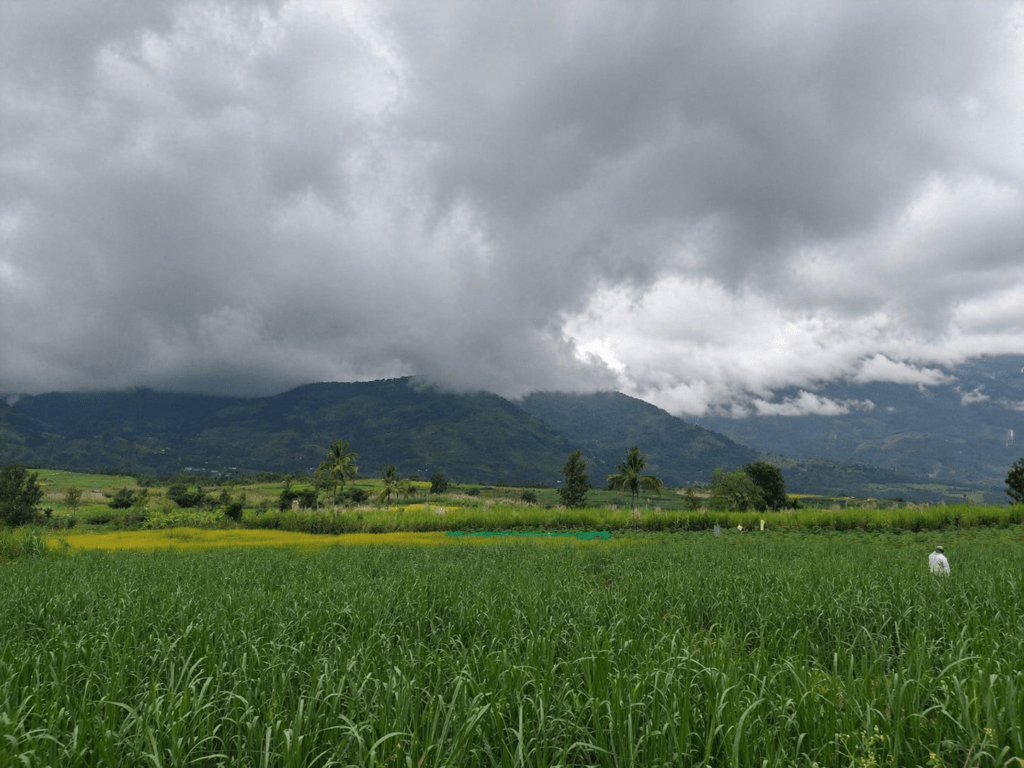
Kerala has long been photographed.
Its mist-covered hills appear on calendars. Its backwaters glide across screensavers. Its beaches shimmer in travel advertisements. The state has been called “God’s Own Country” so often that the phrase now feels almost architectural — constructed, polished, repeated.
But Kerala does not live inside brochures.
It lives in smaller spaces.
In kitchens where coconut is grated by hand before sunrise. In temple courtyards where percussion rehearsals echo long before festivals begin. In fishing harbors where boats return at dawn with silver catches that determine the day’s market. In weaving villages where looms move steadily without spectacle.
To travel beyond the brochures is not to reject Kerala’s beauty.
It is to enter its interior.
When people speak of Kerala, certain names surface predictably: Munnar, Alleppey, Fort Kochi, Varkala.
These places are undeniably beautiful. But beauty alone cannot hold a place’s full story.
Offbeat Kerala travel is not about seeking obscurity for its own sake. It is about restoring proportion — allowing quieter regions and communities to re-enter the narrative.
Kerala’s hidden places are not hidden because they lack depth.
They are hidden because they have not been simplified.
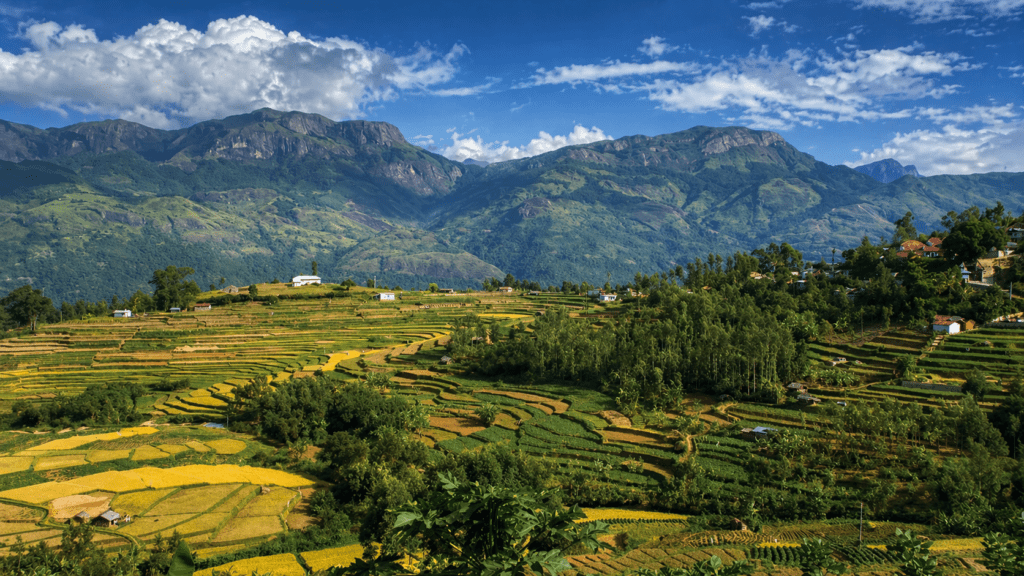
High in the Western Ghats, near the Tamil Nadu border, lie the agrarian villages of Kanthalloor and Marayoor.
Here, Kerala looks different.
Instead of coconut groves, you find terraced farms and orchards. Apples, plums, strawberries, and vegetables grow in cool highland air. Mist settles gently across early morning fields.
Marayoor carries something rarer still — prehistoric dolmens scattered across landscape, megalithic stone burial chambers that predate much of recorded history in the region. Nearby sandalwood forests exhale a quiet fragrance.
These are not destinations built around tourism infrastructure.
They are landscapes where agricultural cycles still dictate routine.
To wake in Kanthalloor is to hear not traffic but wind moving through orchards.
This is Kerala before it learned to pose.
Further south, the Muziris heritage region tells a story of trade long before colonial arrival.
Roman amphorae once reached these shores. Arab merchants settled here centuries ago. Jewish communities built synagogues. Christian churches trace origins to early apostolic tradition.
Yet the most compelling aspect of Muziris is not monumentality.
It is continuity.
In Chendamangalam, weaving communities still produce kasavu textiles edged in gold. In nearby workshops, blacksmiths forge tools through techniques inherited across generations. In modest homes, screw pine weaving continues as domestic craft.
Muziris is not reconstructed.
It is inhabited.
Offbeat Kerala travel becomes meaningful when it reveals these layers without distortion.
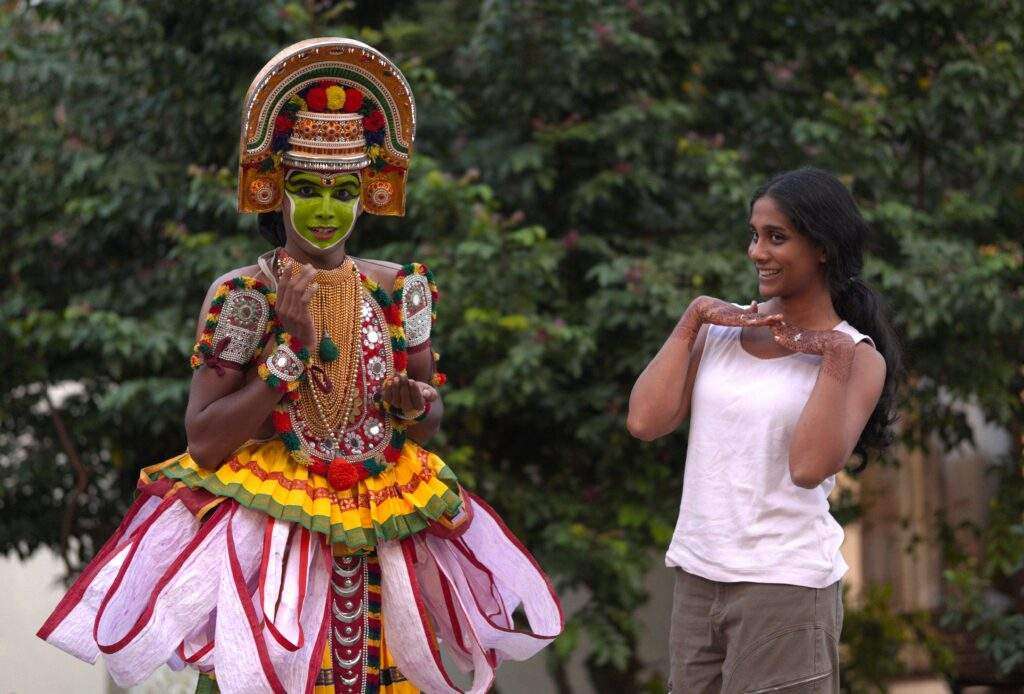
In the northern districts of Kannur and Kasargod, ritual traditions such as Theyyam unfold in temple compounds and sacred groves.
There are no ticketed arenas. No curated seating plans.
Villagers gather barefoot on earth. Oil lamps flicker. Drums escalate gradually. A performer, painted in elaborate detail, enters trance. For hours, deity and human converge.
Theyyam is not performance art.
It is social memory embodied.
Traveling here requires humility. Ritual calendars determine access. Photography is secondary to reverence. Understanding context becomes essential.
North Kerala does not ask to be consumed.
It asks to be understood.
Kozhikode once anchored maritime routes that connected India to Arabia, China, and Europe. The port city still carries that cosmopolitan inheritance quietly.
In Beypore, wooden Urus — traditional ocean-going vessels — are crafted by hand using techniques centuries old. In narrow streets, Malabar biriyani simmers in layered pots. Sulaimani tea, dark and spiced, punctuates long conversations.
Music gatherings echo with ghazals. Fishing communities mend nets at dawn. Markets hum with negotiation.
Kozhikode’s hidden quality lies in its ordinariness.
It is alive without announcement.
At the meeting point of Bharathapuzha River and the Arabian Sea stands Ponnani — historically significant in Islamic scholarship and Sufi traditions.
The Ponnani Mosque bears carved woodwork and quiet courtyards that have absorbed centuries of prayer. Folk performances such as Daffu Muttu animate festivals. Oral histories pass between generations without documentation.
Here, culture is not preserved through museum glass.
It moves through community.
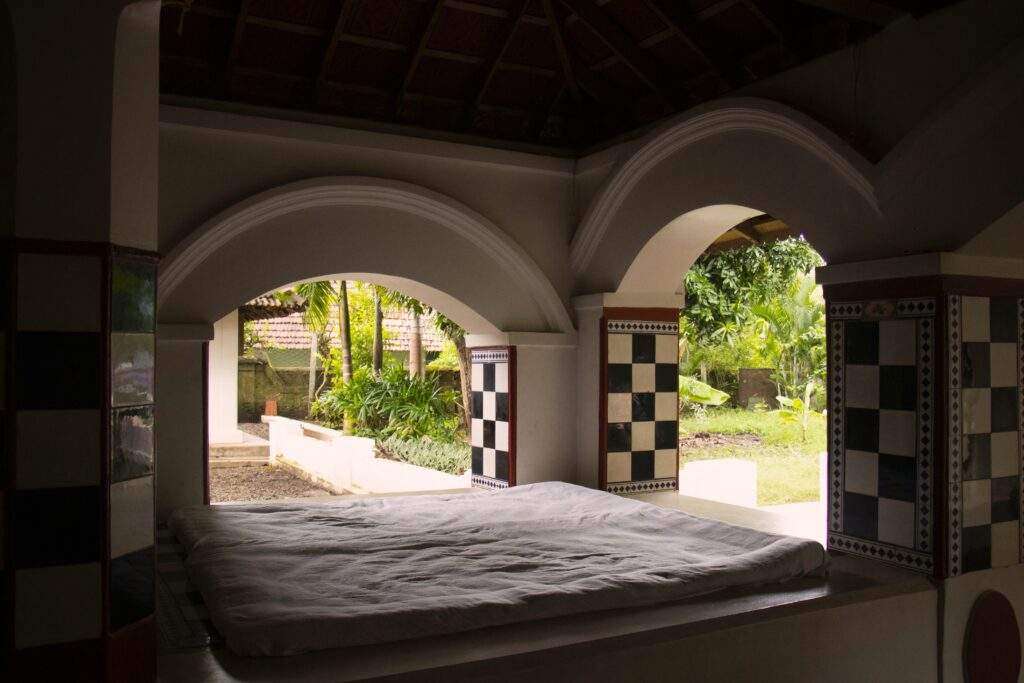
Beyond hotels lie Kerala’s ancestral homes — Naalukettu structures built around central courtyards.
Thick laterite walls regulate temperature. Wooden beams carry carvings worn smooth by time. Rainwater once collected carefully from sloped roofs into internal ponds.
Staying in a heritage home is not nostalgia.
It is education.
You begin to understand how architecture responds to climate, how space structures family hierarchy, how light shifts through rooms across hours.
Authentic Kerala experiences often begin with where you sleep.
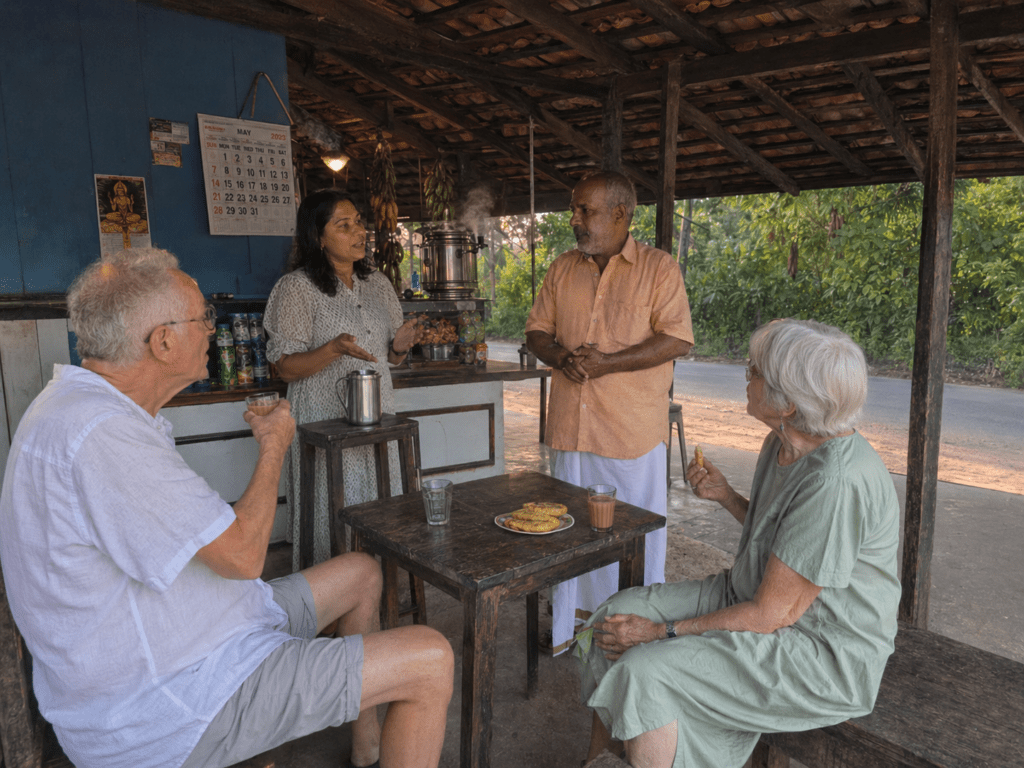
Offbeat Kerala travel redefines luxury.
It may mean sharing tea with a toddy tapper at sunrise rather than dining in a rooftop restaurant. It may mean sitting in a weaving shed listening to rhythmic loom patterns instead of attending a staged cultural show.
It may mean walking through paddy fields at dusk when dragonflies skim water and no one is watching.
Kerala’s hidden places are not remote for the sake of isolation.
They are intact.
To move beyond brochures requires ethical awareness.
Hidden places remain hidden for reasons — economic fragility, cultural sensitivity, ritual sanctity.
Community-based tourism in Kerala must ensure that encounters are reciprocal. Artisans are compensated fairly. Rituals are approached respectfully. Conversations occur with consent.
Authenticity is not extraction.
It is exchange.
Because brochures flatten.
They reduce Kerala to surface.
But Kerala is layered — by trade winds, by migration, by caste reform movements, by religious plurality, by agricultural rhythms.
When you step beyond curated circuits, you begin to see these layers.
You notice that Kerala’s identity is not singular.
It is braided.
The hidden places in Kerala are not waiting to be discovered.
They are waiting to be approached properly.
Offbeat travel here does not mean chasing obscurity. It means choosing depth over speed, conversation over convenience, understanding over itinerary density.
It means allowing Kerala to reveal itself gradually — through craft workshops, temple courtyards, fishing harbors, orchards, heritage kitchens, forest trails.
Beyond the brochures lies not another attraction.
It lies the state as it is lived.
And when travel shifts from consumption to connection, the journey lingers long after return.